
Get Backflow Preventer Installation
Backflow preventer installation services help property owners avoid water contamination by ensuring proper device setup for irrigation, plumbing, or fire protection systems.
If you’re considering backflow preventer installation for your property, you’ve come to the right place. Ensuring proper backflow prevention is an important step in maintaining a safe and reliable water system. Property owners in the area often explore this service to protect their drinking water from contamination, comply with local regulations, or prevent costly plumbing issues. By exploring available options, you can find experienced local contractors who understand the specific needs of your property and can provide tailored solutions.
Continuing to review local service providers can help you compare the expertise and offerings available for backflow preventer installation. Whether you’re upgrading an existing system or installing a new one, working with qualified local contractors ensures the job is handled correctly and efficiently. Keep reading to discover how to connect with trusted professionals in your area who can help you plan and execute this essential project.
- Backflow preventer installation - needed when a property’s water system requires protection against contamination.
- Backflow testing services - necessary to ensure existing backflow preventers are functioning properly and compliant.
- Backflow device repair - required if a backflow preventer shows signs of malfunction or leaks.
- New construction backflow prevention - essential during the development of new buildings to meet plumbing codes.
- Backflow prevention consultation - helpful when evaluating the need for backflow devices in commercial or residential properties.
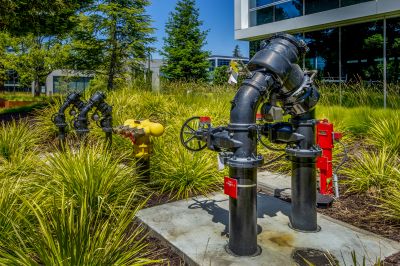
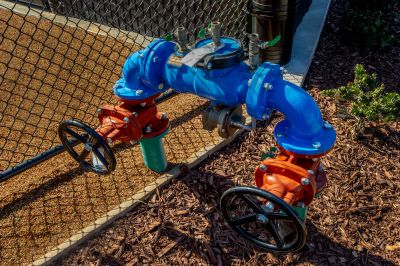
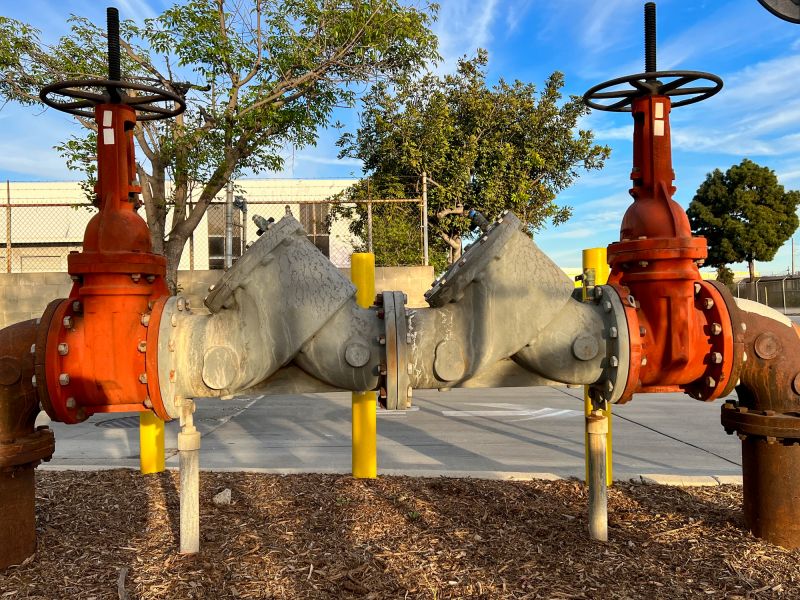
Backflow preventer installation services involve setting up a device designed to protect a property's water supply from contamination caused by backflow. This device acts as a barrier, preventing water that has been used or contaminated from flowing back into the clean municipal water lines. Proper installation ensures that the backflow preventer functions correctly, maintaining the safety and purity of the drinking water. Experienced local contractors assess the property's plumbing system, determine the appropriate type of backflow preventer, and install it according to standard plumbing practices to ensure reliable operation.
These services are essential for addressing common issues such as cross-connections between potable water lines and non-potable sources, which can lead to contamination. Backflow problems often arise in properties with irrigation systems, fire sprinklers, or industrial equipment connected to the water supply. Without a backflow preventer, these connections can cause harmful substances, chemicals, or bacteria to enter the drinking water. Installing a backflow preventer helps prevent health hazards and complies with local plumbing codes, especially for properties with complex or high-risk water systems.
Properties that typically use backflow preventer installation services include residential homes, especially those with private wells, irrigation setups, or swimming pools. Commercial buildings, such as restaurants, factories, and office complexes, also frequently require these devices to meet safety regulations. Additionally, properties with fire protection systems or industrial processes that involve chemicals benefit from having a backflow preventer in place. Whether for new construction or to upgrade existing plumbing, local service providers can evaluate the property’s needs and install the appropriate device to ensure ongoing water safety.
Homeowners and property managers should consider backflow preventer installation if they notice changes in water pressure, experience a sudden taste or odor in their water, or are required by local health and safety regulations. Installing a backflow preventer can help prevent costly water system issues and protect the health of everyone using the property’s water supply. Connecting with experienced local contractors ensures that the installation is done correctly and in compliance with all relevant standards, providing peace of mind that the property’s water remains safe and uncontaminated.
The overview below groups typical Backflow Preventer Installation projects into broad ranges so you can see how smaller, mid-sized, and larger jobs often compare in your area.
In many markets, a large share of routine jobs stays in the lower and middle ranges, while only a smaller percentage of projects moves into the highest bands when the work is more complex or site conditions are harder than average.
Smaller Repairs - Typical costs for minor backflow preventer repairs or adjustments range from $250 to $600. Many routine maintenance jobs fall within this range, depending on the specific issue and system complexity.
Standard Installation - Installing a new backflow preventer usually costs between $600 and $1,200. Most projects in this category are straightforward and fall into the middle of this range, with fewer reaching higher prices due to additional site requirements.
Full Replacement - Replacing an existing backflow preventer can cost from $1,200 to $2,500. Larger or more complex systems may push costs higher, but many projects stay within this typical range.
Large or Commercial Projects - Extensive backflow prevention systems for commercial properties can range from $3,000 to $5,000 or more. These projects often involve additional equipment and labor, which can increase costs significantly.
Actual totals will depend on details like access to the work area, the scope of the project, and the materials selected, so use these as general starting points rather than exact figures.
Irrigation System Installation - installing irrigation systems involves plumbing and planning skills similar to backflow preventer setup to ensure proper water flow control.
Water Line Repair and Replacement - repairing or replacing water lines requires knowledge of plumbing systems and careful planning to prevent contamination and ensure proper connections.
Commercial Plumbing Services - commercial plumbing projects often involve complex piping and water management systems that align with the skills used in backflow preventer installation.
Fire Sprinkler System Installation - installing fire sprinkler systems requires precise plumbing and understanding of water flow, paralleling the techniques used in backflow prevention.
Water Meter Installation - setting up water meters involves plumbing expertise and planning to accurately measure water usage while ensuring system integrity.
Drainage System Construction - constructing drainage systems involves planning and plumbing skills similar to those needed for proper backflow preventer installation.
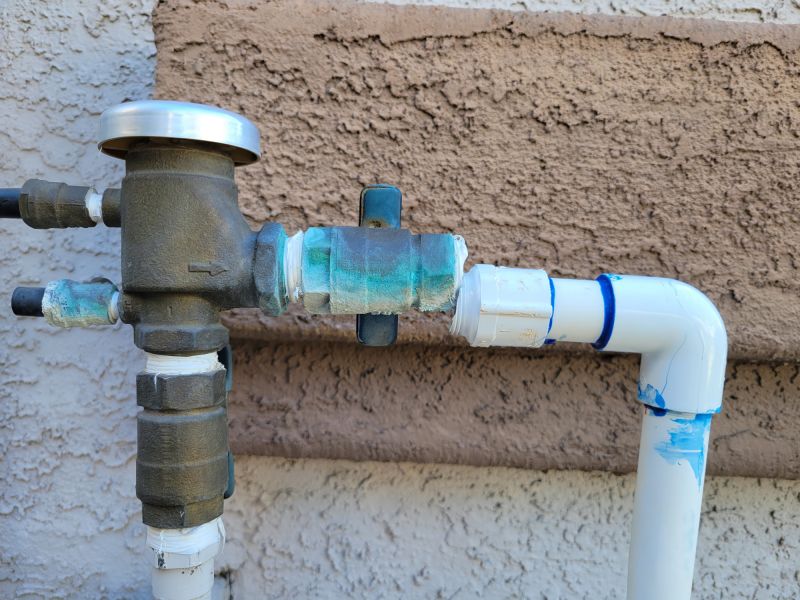
When comparing service providers for backflow preventer installation, it’s important to consider their experience with similar projects. Homeowners should inquire about the types of systems the contractors have installed in the past and whether they have worked on properties comparable in size and complexity. A contractor’s familiarity with local plumbing codes and common challenges in the area can also be a helpful indicator of their ability to handle the job efficiently and correctly the first time. This background can provide confidence that the selected professional understands the specific requirements for backflow preventer installation in the local environment.
Clear written expectations are essential for ensuring the project runs smoothly and meets the homeowner’s needs. When evaluating local contractors, it’s beneficial to review detailed estimates or scope of work documents that outline what is included and excluded. This clarity helps prevent misunderstandings and sets a foundation for a transparent working relationship. Homeowners should also ask how the contractor plans to handle permits, inspections, and any potential issues that might arise during the installation process, ensuring all aspects are addressed upfront.
Reputable references and good communication are key factors to consider when selecting local professionals. Asking for references from previous clients who had similar work done can provide insight into the contractor’s reliability, quality of work, and professionalism. Additionally, observing how promptly and clearly the contractor responds to questions or concerns during initial contact can be a good indicator of their communication style. A dependable service provider will prioritize open dialogue, keeping the homeowner informed throughout the project, which helps foster trust and a smoother experience overall.
Property owners use Backflow Preventer Installation services for practical projects around their homes and businesses. This guide focuses on everyday jobs and straightforward project options.
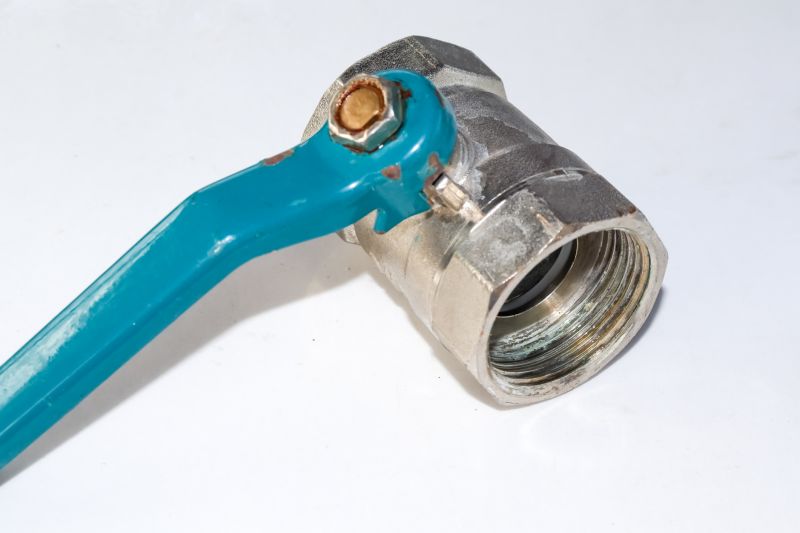
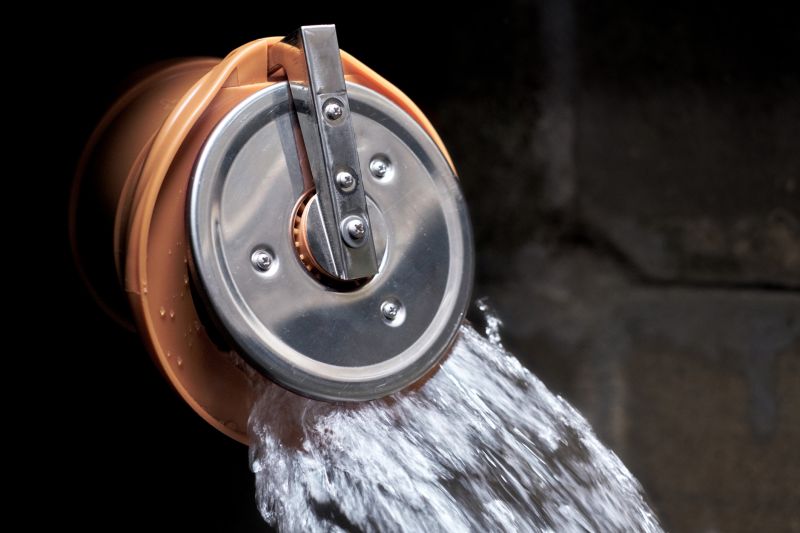
Backflow preventer installation is a common service needed in many residential and commercial properties to ensure safe drinking water. Property owners might seek these services when installing new irrigation systems, upgrading plumbing, or during routine maintenance to prevent contaminated water from flowing back into the main supply. Local contractors can assess the property's specific needs and install the appropriate backflow prevention devices to help maintain water safety and compliance with local regulations.
In addition, property owners may look for backflow preventer installation when preparing for property inspections or addressing concerns about water quality. Older buildings or areas with complex plumbing systems often require these devices to prevent potential health hazards. Local service providers are equipped to handle these projects efficiently, offering expert installation that helps protect the water supply and meet safety standards.
What is a backflow preventer? A backflow preventer is a device installed in plumbing systems to stop contaminated water from flowing back into the clean water supply.
Why is backflow preventer installation important? Installing a backflow preventer helps protect the drinking water supply from potential contamination caused by backflow or back-siphonage.
Who can handle backflow preventer installation? Local contractors with experience in plumbing and backflow prevention can perform the installation safely and correctly.
What types of backflow preventers are available? There are various types, such as reduced pressure zone (RPZ) devices and double check valves, suitable for different applications.
How do I find qualified service providers for backflow preventer installation? This site helps connect with local contractors experienced in backflow preventer installation to meet specific needs.
Protecting Drinking Water - Installing a backflow preventer helps ensure that contaminated water cannot flow back into the main supply, maintaining safe drinking water for household use.
Preventing Property Damage - Proper backflow prevention can stop sewage or polluted water from entering the property’s plumbing system during heavy rain or pipe failures.
Complying with Local Codes - Many municipalities require backflow preventers to meet plumbing codes, and local contractors can help property owners stay compliant.
Safeguarding Irrigation Systems - Installing backflow preventers in irrigation lines prevents fertilizers or pesticides from contaminating the main water supply.
If you are thinking about Backflow Preventer Installation for a property, this guide is meant to help you understand the work, the typical project types, and how different options might fit your plans.
When you are ready, you can use the quote form on this page to share a few details about your project. From there, local pros can review the basics and respond with options that match what you have in mind.