
Get Rough Plumbing Installation
Rough plumbing installation services help property owners with major pipe work, including new construction, remodeling, or repairs of water supply and drainage systems.
Rough plumbing installation services are essential for property owners planning major renovations, new construction projects, or upgrades to existing plumbing systems. Ensuring the proper setup of pipes, fittings, and fixtures is a critical step that can influence the overall success of a project. By exploring local contractors who specialize in this work, property owners can find experienced professionals equipped to handle the complexities of rough plumbing, providing a solid foundation for a functional and reliable plumbing system.
Property owners in the area might consider rough plumbing installation to improve water efficiency, meet building codes, or prepare a property for future fixtures and appliances. Comparing options among local service providers allows for informed decisions based on experience and expertise. Continuing to read can help identify qualified contractors capable of supporting a variety of project needs, ensuring the work is completed to meet both practical and structural requirements.
- Rough Plumbing Installation - required during new construction or major renovations involving water supply systems.
- Pipe Replacement - needed when existing pipes are corroded, leaking, or causing low water pressure.
- Fixture Rough-Ins - necessary before installing sinks, toilets, or showers in a remodeling project.
- Water Line Installation - essential when connecting new appliances or upgrading an outdated water supply.
- Drain Line Setup - required for proper waste removal in residential or commercial plumbing upgrades.
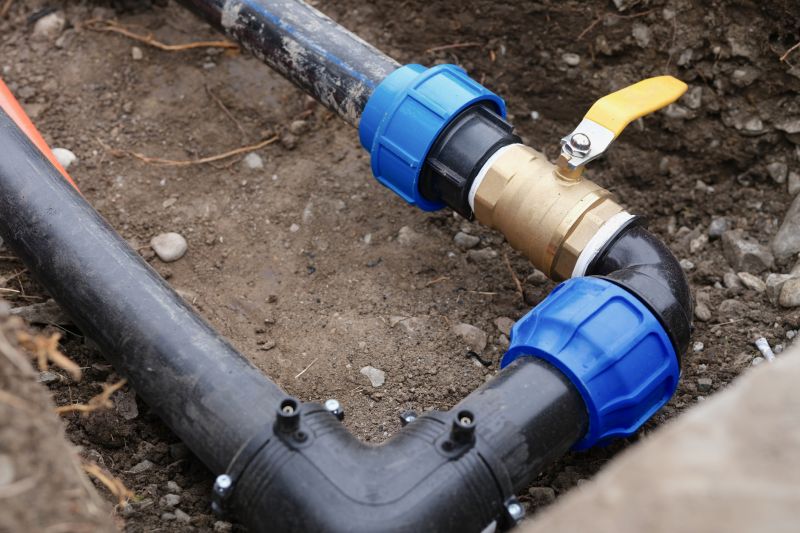
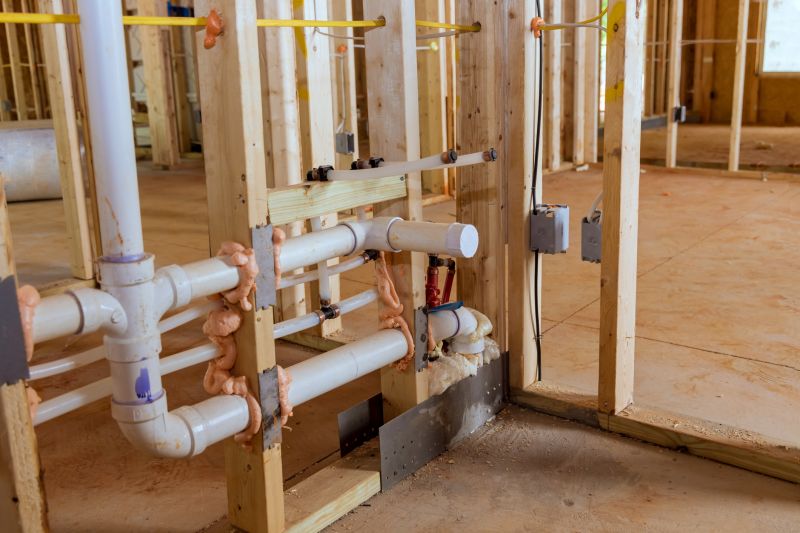
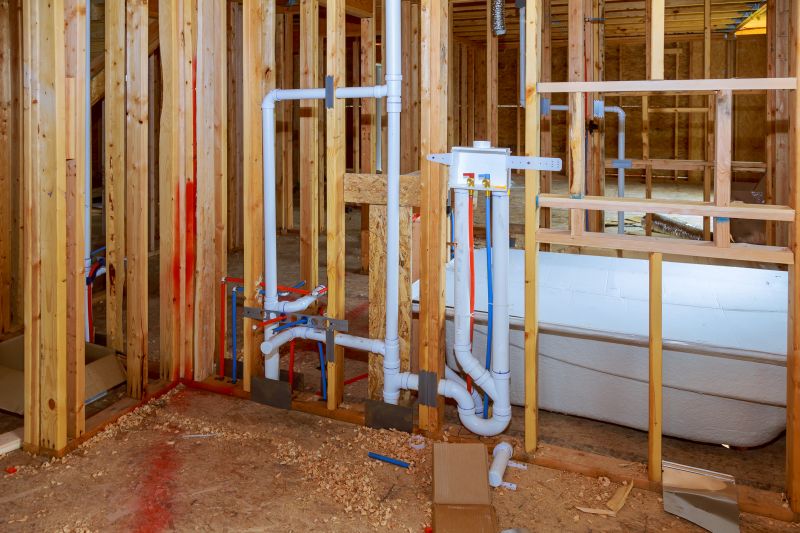
Rough plumbing installation services involve setting up the essential pipework and fixtures that form the foundation of a building’s plumbing system. This process typically includes installing water supply lines, drain pipes, and vent stacks that connect to sinks, toilets, bathtubs, and appliances. Proper installation ensures that water flows efficiently and that waste is directed safely away from the property. Skilled contractors focus on precise measurements, correct placement, and secure fittings to prevent leaks and future plumbing issues.
These services are often needed when constructing a new property or undertaking major renovations that require updating or replacing existing plumbing infrastructure. Rough plumbing installation helps address problems such as inadequate water pressure, frequent leaks, or drainage backups caused by improper pipe routing. It also provides a reliable framework for adding fixtures and appliances later on, making it a crucial step in ensuring the overall functionality and durability of a property’s plumbing system.
Typically, rough plumbing installation is used in residential homes, including single-family houses and multi-unit buildings, as well as commercial properties like offices, retail stores, and restaurants. New construction projects often require comprehensive rough plumbing work before walls are finished, while remodeling jobs may involve rerouting or upgrading existing pipes to meet current standards or accommodate new layouts. Property owners seeking a solid plumbing foundation should consider consulting local contractors experienced in this type of work.
Homeowners might need rough plumbing installation services when building a new home, expanding a property, or making significant interior renovations that involve changing the layout of kitchens and bathrooms. It’s also useful when addressing persistent plumbing problems that stem from outdated or improperly installed pipework. Connecting with local service providers can help identify the best approach for your property’s needs, ensuring a reliable and efficient plumbing system from the ground up.
The overview below groups typical Rough Plumbing Installation projects into broad ranges so you can see how smaller, mid-sized, and larger jobs often compare in your area.
In many markets, a large share of routine jobs stays in the lower and middle ranges, while only a smaller percentage of projects moves into the highest bands when the work is more complex or site conditions are harder than average.
Smaller Repairs - typical costs for minor plumbing fixes, such as fixing leaks or replacing a faucet, generally range from $150-$400. Many routine jobs fall within this middle band, though prices can vary based on the specific issue and location.
Pipe Replacement - replacing sections of damaged or aging pipes usually costs between $1,000-$3,000 for standard projects. Larger, more complex pipe replacements can reach $5,000 or more, but most projects tend to stay within the lower to mid-range.
Full Plumbing System Installation - installing a complete plumbing system in a new construction or major remodel typically ranges from $5,000-$15,000. The cost can vary based on the size of the property and the scope of work, with many projects falling into the middle of this range.
Major Renovations or Custom Installations - extensive plumbing upgrades or custom work can cost $20,000 or higher, especially for large or intricate projects. These higher-tier projects are less common and usually involve complex layouts or specialized fixtures.
Actual totals will depend on details like access to the work area, the scope of the project, and the materials selected, so use these as general starting points rather than exact figures.
Bathroom Plumbing Renovations - Local contractors experienced in bathroom upgrades often handle rough plumbing installation as part of the renovation process, ensuring proper pipe placement and fixture connections.
Kitchen Plumbing Installations - Installing new sinks, dishwashers, and garbage disposals requires similar planning, tools, and skills as rough plumbing for new or remodeled kitchens.
Water Line Replacement - Replacing or upgrading water supply lines involves precise pipe fitting and planning, similar to the skills used in rough plumbing installation projects.
Drain and Waste Line Installation - Setting up or rerouting drain and waste pipes involves knowledge of plumbing systems and the use of specialized tools, aligning with rough plumbing techniques.
Fire Suppression System Installation - Installing fire sprinkler systems requires expertise in pipe layout, fitting, and planning, paralleling the skills needed for rough plumbing work.
Underground Utility Plumbing - Installing or repairing underground water and sewer lines involves excavation, pipe fitting, and system layout, similar to the planning and skills used in rough plumbing projects.
When comparing service providers for rough plumbing installation, it’s important to consider their experience with similar projects. Homeowners should inquire about how long a contractor has been working in the field and whether they have handled projects comparable in scope and complexity. Contractors with a track record of successfully completing similar installations are more likely to understand the specific requirements and potential challenges, which can contribute to a smoother process and reliable results.
Clear, written expectations are essential when evaluating local contractors. Homeowners should seek detailed proposals that outline the scope of work, materials to be used, and any specific standards or guidelines the contractor follows. Having this information in writing helps prevent misunderstandings and provides a reference point throughout the project. Well-defined expectations also make it easier to compare different service providers on the basis of transparency and professionalism.
Reputable references and good communication are key factors to consider when choosing a service provider. Homeowners can ask contractors for references from past clients who had similar work done and follow up to learn about their experiences. Additionally, a contractor’s responsiveness and clarity in communication can indicate their professionalism and reliability. Choosing local pros who demonstrate transparency, provide solid references, and maintain open lines of communication can help ensure the project proceeds smoothly and meets expectations.
Property owners use Rough Plumbing Installation services for practical projects around their homes and businesses. This guide focuses on everyday jobs and straightforward project options.
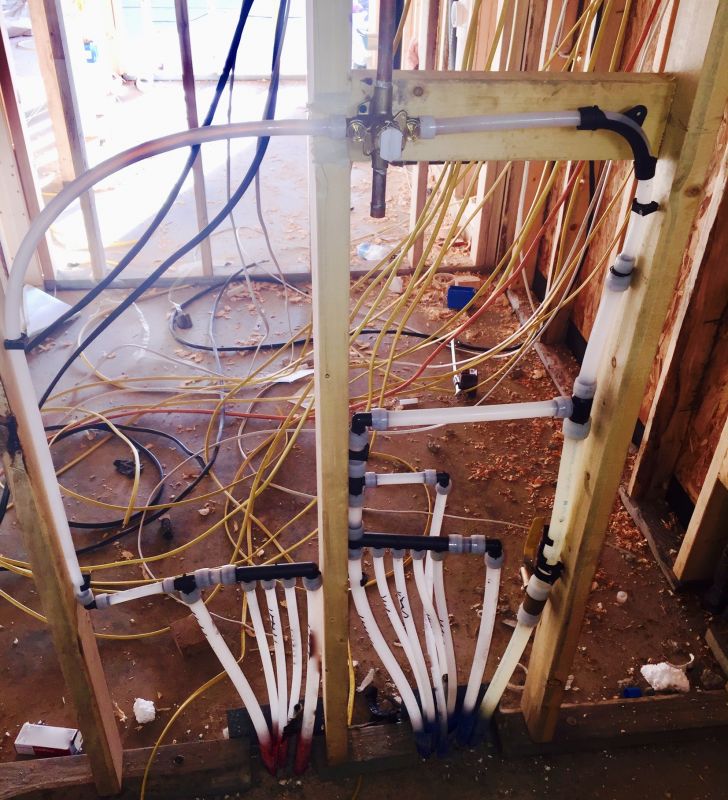
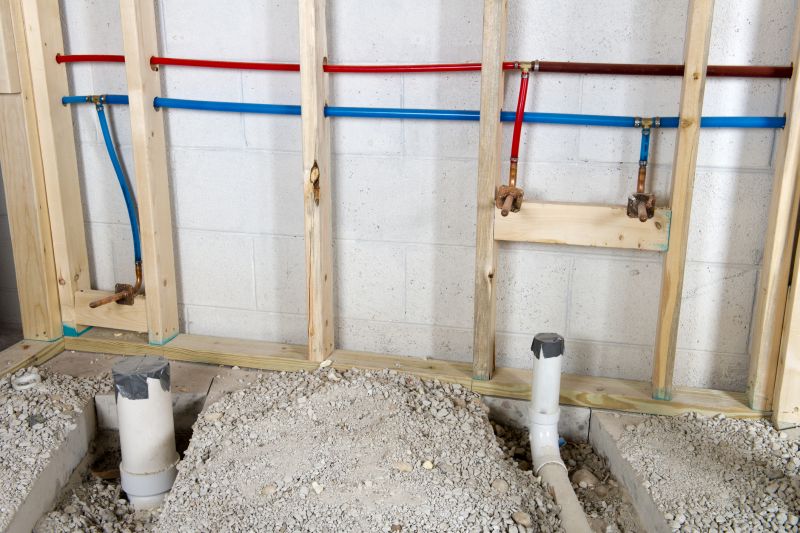
Rough plumbing installation services are often needed for a variety of common property projects, such as installing new water lines during home renovations or adding fixtures in a kitchen or bathroom upgrade. Property owners may also seek these services when replacing outdated or damaged pipes, or when completing new construction work that requires reliable water supply systems. Local contractors experienced in rough plumbing can handle these foundational tasks efficiently, helping ensure that the plumbing infrastructure is properly set up before finishing touches are added.
In addition, property owners might look for rough plumbing installation when responding to leaks or plumbing issues that require rerouting pipes or upgrading existing systems. Whether preparing a property for future improvements or addressing urgent repairs, many find value in connecting with local service providers who specialize in these essential installation tasks. These professionals can provide the expertise needed to get plumbing systems in place correctly, supporting the overall functionality and value of a property.
What types of rough plumbing installation services do local contractors provide? Local contractors typically handle the installation of water supply lines, drain-waste-vent (DWV) systems, and connections for fixtures such as sinks, toilets, and showers.
How do I know if I need rough plumbing installation for my project? If you're planning new construction, remodeling, or adding fixtures that require water or drainage connections, professional rough plumbing installation may be necessary to ensure proper system setup.
What should I consider when choosing a local contractor for rough plumbing installation? Look for experienced service providers with good reputations, clear communication, and the ability to handle the specific requirements of your plumbing project.
Are there different approaches for rough plumbing installation in residential versus commercial buildings? Yes, residential and commercial buildings may have different codes, system complexities, and scale requirements, which local contractors can assess to recommend suitable installation methods.
What are common challenges faced during rough plumbing installation projects? Challenges can include navigating existing structures, ensuring proper alignment of pipes, and compliance with local building codes, which experienced service providers are equipped to manage.
Bathroom Renovations - When updating a bathroom, professional rough plumbing installation ensures new fixtures are properly connected and functional from the start.
Kitchen Remodels - During a kitchen upgrade, local contractors can install or move plumbing lines to accommodate new sinks, dishwashers, or appliances.
Leak Repairs - Identifying and fixing hidden leaks behind walls or under floors helps prevent water damage and maintains plumbing integrity.
Fixture Installations - Installing new sinks, toilets, or faucets requires precise rough plumbing work to ensure proper operation and long-term durability.
If you are thinking about Rough Plumbing Installation for a property, this guide is meant to help you understand the work, the typical project types, and how different options might fit your plans.
When you are ready, you can use the quote form on this page to share a few details about your project. From there, local pros can review the basics and respond with options that match what you have in mind.